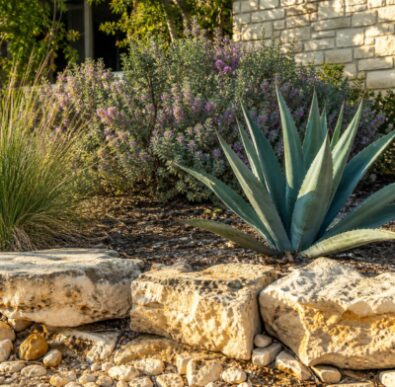
Authorization check: What soil constraint can shape a San Antonio design?
The NRCS Bexar-series description places hard limestone about 20 to 40 inches below the surface. A San Antonio plan should verify the site profile before sizing tree pits, drainage features, or irrigation zones.

San Antonio Pro Landscape provides pro landscape design for homeowners and businesses across San Antonio and Bexar County. We create outdoor spaces that work with San Antonio’s caliche soil, SAWS watering rules, and hot semi-arid climate instead of fighting them. Our designs look intentional, hold up year after year, and do not need huge water bills or constant replacement.
Our Design Process: From Consultation to Installation
Every design project starts with a free on-site visit. We walk the property with you, check the soil — including caliche depth and makeup — look at sun and shade through the day, review drainage, and talk through your vision, budget, and care preferences. We do not design from a template. Every plan fits your property’s conditions and your goals.
After the visit, we build a planting plan that names every plant by spot, lists all hardscape materials and sizes, and gives an install timeline with phases if your budget needs them. We handle all material buying and install. You work with one company from design to the final walkthrough.
Plants That Perform in San Antonio’s Climate
The base of every Bexar County design is plant choices that suit caliche soil, SAWS rules, and San Antonio’s mix of hard summer heat and mild winters. Texas Sage blooms purple after rain and needs no watering once set. Agave, in its many forms, gives year-round structure and is nearly indestructible in South Texas heat. Esperanza makes bright yellow flowers from spring through frost and takes the full caliche clay of Bexar County. Turk’s Cap, Autumn Sage, and Black-Foot Daisy fill the mid-layer with color from spring through November.
For shade trees, Live Oak is the signature San Antonio tree — drought-tolerant, long-lived, and key to the Hill Country look. Mexican White Oak and Cedar Elm are great picks too and give shade faster than the slower Live Oak. All our tree picks qualify for SAWS water-wise rebates, which offset part of the install cost.
Xeriscape vs. Traditional Landscape Design in San Antonio
People often ask whether to do a full xeriscape or a traditional landscape. The honest answer: in San Antonio, the execution matters more than the label. A well-designed traditional yard with SAWS-approved plants on a drip irrigation system uses less water than a poorly designed xeriscape with wasteful overhead spray. We focus on the right plants, efficient irrigation, and good soil prep. Whether it looks traditional or xeric is up to your taste.
Design consultations are free. Install cost depends on plants, square footage, hardscape elements, and whether the caliche soil needs amending. Typical home installs in San Antonio run from $3,500 for basic foundation planting to $25,000+ for full front-and-back transformations with hardscape. We can phase any project to fit your budget.
Contact San Antonio Pro Landscape for a free landscape design consultation. We serve Stone Oak, Alamo Heights, Helotes, Schertz, New Braunfels, Leon Valley, and all of Bexar County.
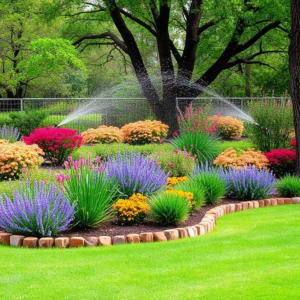
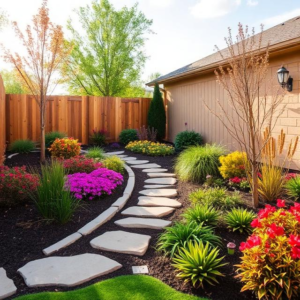
Which approval points govern Landscape Design?
Frame the San Antonio landscape design inquiry around the specific property, its requested outcome, available documentation, and practical restrictions. Have the respondent list investigation, selected tasks, omissions, cost basis, and consent sequence.
Process Overview
- Site assessment and consultation
- Written estimate with line-item scope
- Scheduled work window confirmed
- Crew executes against the written estimate
- Completion walkthrough with the homeowner